




Eye Infections
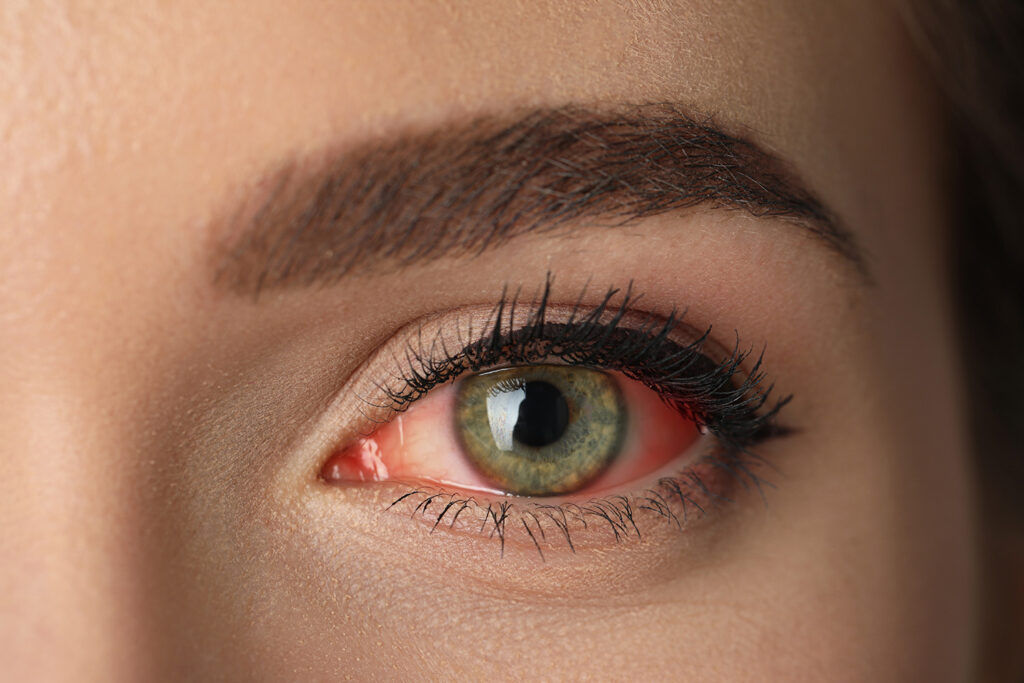
If your eye is red, irritated, swollen, painful, or producing discharge, you may have an eye infection that needs prompt evaluation.
Eye Infection Care in Estero, Bonita Springs, Naples, and Fort Myers
At Florida Vision Centers, we provide physician-led eye care for patients with concerns about pink eye, styes, eyelid infections, corneal infections, blepharitis, and other causes of red eye. We proudly serve patients in Estero, Bonita Springs, Naples, and Fort Myers with a careful, medical approach focused on accurate diagnosis and appropriate treatment.
Eye infections can range from mild and self-limited to vision-threatening. Because symptoms often overlap, it is important not to assume that every red eye is simple conjunctivitis. A thorough eye exam helps determine whether the problem is affecting the conjunctiva, eyelids, cornea, tear film, or deeper eye structures, and whether treatment should include antibiotic drops, antiviral medication, supportive care, or close follow-up.
What Is an Eye Infection?
An eye infection occurs when bacteria, viruses, fungi, or other organisms affect the tissues of the eye or eyelids. Some infections mainly involve the eye’s surface, while others affect nearby structures such as the eyelid margin, tear drainage system, or cornea. In many cases, early treatment helps reduce discomfort, shorten the course of illness, and prevent complications.
Common symptoms of an eye infection may include:
If you have decreased vision, significant pain, severe light sensitivity, or contact lens-related redness, you should seek prompt medical evaluation.
Common Types of Eye Infections
Causes and Risk Factors
You may be at higher risk for an eye infection if you:
Patients in Estero, Bonita Springs, Naples, and Fort Myers often spend time outdoors, at the beach, poolside, or in windy environments, which can sometimes worsen irritation and lead patients to rub their eyes more frequently. Contact lens use in warm climates can also increase the importance of good hygiene and prompt attention to symptoms.
How Eye Infections Are Diagnosed
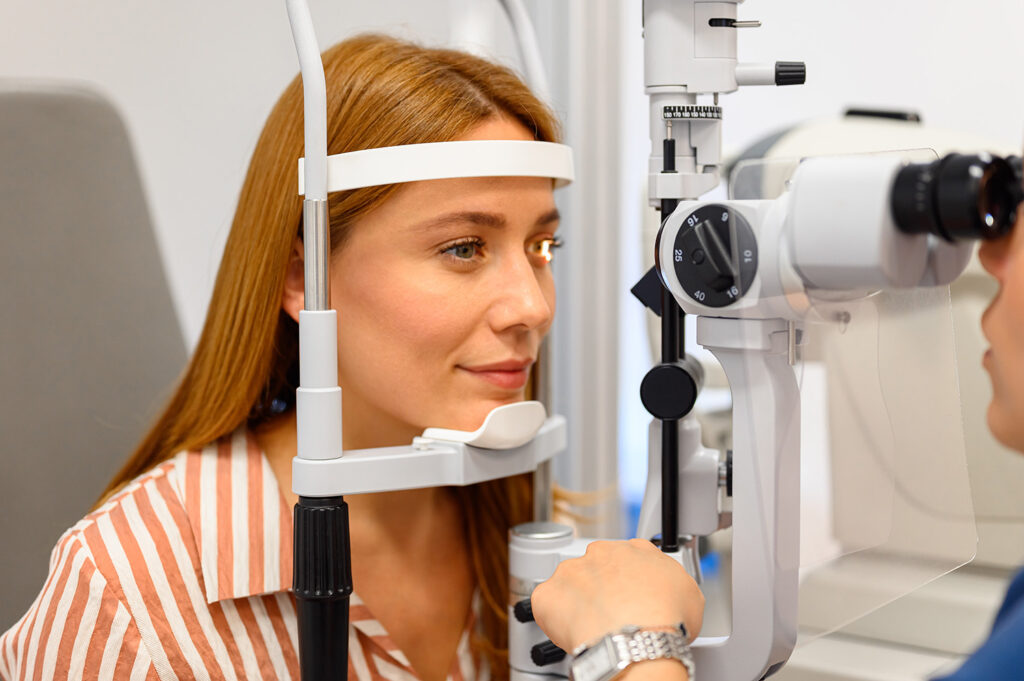
At Florida Vision Centers, we evaluate eye infections with a focused medical eye exam that may include:
Because many eye conditions can look similar, a professional evaluation helps avoid delayed treatment or unnecessary medication.
Why Choose Florida Vision Centers for Eye Infection Care?
At Florida Vision Centers, patients receive physician-led eye care with attention to accurate diagnosis and individualized treatment. We understand that eye infections can be uncomfortable, disruptive, and sometimes urgent. Our goal is to identify the cause, protect your vision, and help you recover as safely and efficiently as possible.
We are proud to provide eye care for patients in Estero, Bonita Springs, Naples, Fort Myers.
Whether you are dealing with pink eye, eyelid irritation, a painful stye, or a more serious concern such as contact lens-related redness, we are here to help.

Treatment for Eye Infections
Treatment depends on the cause. Your care plan may include:
Not every red eye should be treated the same way. For example, allergies, dry eye, blepharitis, conjunctivitis, and corneal infection can overlap in symptoms but require different management. That is why physician-led diagnosis is important.
When to Seek Urgent Eye Care
You should seek prompt eye care if you have:
A painful red eye should never be ignored, especially if vision is affected.
Frequently Asked Questions
Schedule an Eye Infection Evaluation
If you have symptoms of an eye infection and need an eye doctor in Estero, Bonita Springs, Naples, or Fort Myers, Florida Vision Centers is here to help. Prompt evaluation can make a major difference in comfort, recovery, and protection of your sight.
Contact Florida Vision Centers today to schedule an appointment for evaluation of red eye, pink eye, eyelid infection, or other eye infection symptoms.