
Our approach to your care is rooted in advanced surgical expertise, experience, and an unwavering commitment to ethics.
That means:
We welcome you to experience the difference for yourself.
learn moreAs a board-certified ophthalmologist with 18+ years of extensive experience in advanced cataract surgery, intraocular lens implants, and comprehensive eye care, it is my highest privilege to improve and protect my patients’ sight. After completing residency at the renowned New York Eye and Ear Infirmary, I spent over two years working alongside one of the world’s pioneering cataract surgeons, Richard J. Mackool, Sr, MD. That experience shaped my expertise in truly minimally invasive cataract surgery — performing delicate procedures with the least possible manipulation of the eye to reduce complications and promote long-term healthy outcomes.
I routinely review and analyze the latest ophthalmology research, so my patients benefit from the most current, best practice care — not hot trends or marketing.
Guided by my commitment to evidence-based medicine, patient education, and patient-first mindset, I bring a thoughtful, precision-based approach to every procedure and will prioritize your long-term visual health.
Learn More About Dr. Ovodenko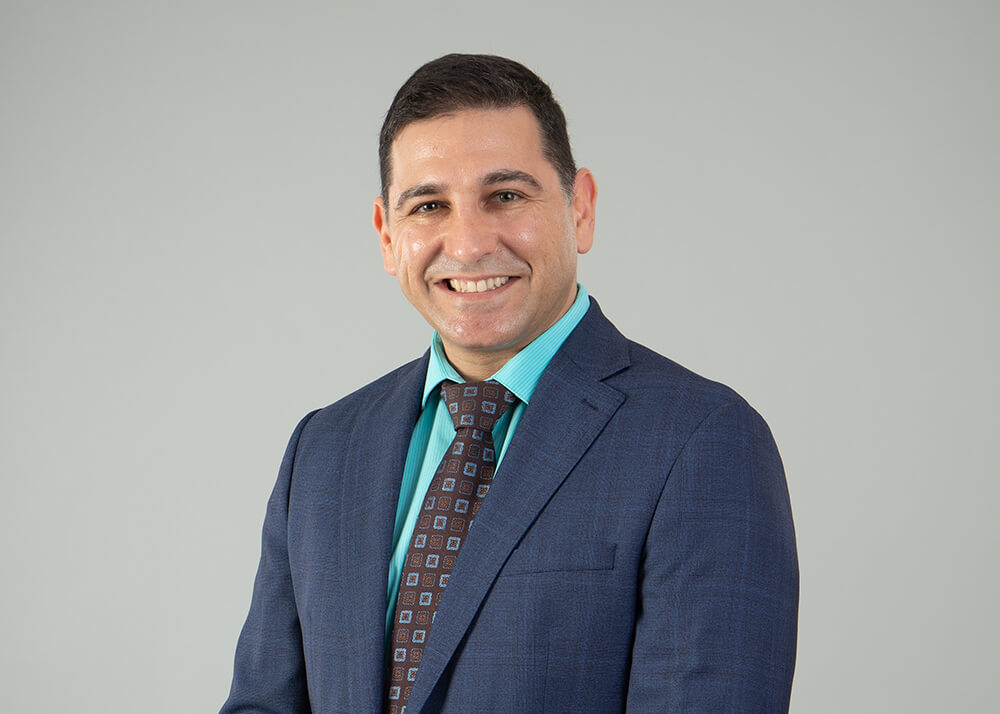

""The cataract surgery was truly spectacular - I can see so much better now! What really touched my heart about Dr. Boris Ovodenko was sincere and honest. I'm so grateful for this successful surgery and for Dr. Ovodenko's professionalism and integrity.""
— Nathan D., Verified Patient Review
At Florida Vision Centers, your journey to clearer vision begins with understanding your symptoms. Whether you’re noticing blurry vision, glare at night, eye strain, dryness, or changes in your sight, our team is here to help you take the first step. By identifying what you’re experiencing, we can guide you toward the right care and solutions to help you see clearly and confidently at every stage of life
Blurred vision refers to a lack of sharpness of vision resulting in the inability to see fine detail. Blurred vision may result from abnormalities such as nearsightedness, farsightedness, presbyopia, or astigmatism that can be improved with corrective lenses (eyeglasses) or it may signal the presence of eye disease.
learn moreDry eye occurs when the eyes produce too few tears or the tears evaporate too fast. The condition can affect one or both eyes. Lifestyle changes can help, but in severe cases, a person may need medication or treatment.
learn moreA drooping eyelid is also called ptosis or blepharoptosis. In this condition, the border of the upper eyelid falls to a lower position than normal. In severe cases, the drooping eyelid can cover all or part of the pupil and interfere with vision.
learn moreAs we grow older, our night vision worsens. We have fewer rods (light-sensitive cells in our eyes that distinguish between light and dark) to detect objects in low light and our eyes’ lenses become stiffer and cloudier. Other conditions such as astigmatism can also make it difficult to see at night, affecting peripheral vision and depth perception and worsening glare.
learn moreHalos are bright circles that surround a light source, like headlights. Glare is light that enters your eye and interferes with your vision. Halos often show up when you’re in a dim or dark place. Glare is more likely in the daytime. They’re a normal response to bright lights, but deeper problems can also bring them on.
learn moreAstigmatism is a common type of refractive error. It means that some part of your eye (either the cornea or lens) is more curved than it should be. This altered eye shape makes your vision blurry. Most cases of astigmatism can be treated with corrective lenses like eyeglasses or contact lenses.
learn moreMyopia, also known as nearsightedness, is a very common vision disorder that is usually diagnosed before age 20. Myopia affects your distance vision. You can see objects that are near well, but have trouble viewing objects that are far, such as grocery store aisle markers or road signs.
learn moreInability to see objects clearly from a close distance can be the result of a few conditions. A common vision condition that causes blurry vision up close is called hyperopia, or farsightedness. Farsightedness is typically the result of a flat cornea or short eyeball, which causes light to focus indirectly on the retina.
learn moreCataract surgery is not just about removing a cloudy lens — it’s about helping you see well again in your daily life. That’s why we offer a range of carefully selected lens options, including:
Your lens choice is guided by your eye health, measurements, and lifestyle needs — not a one-size-fits-all approach.
Available LensesRefractive Lens Exchange is a vision correction procedure designed for patients who want to reduce their dependence on glasses or contacts. Instead of reshaping the cornea like LASIK, RLE replaces the eye’s natural lens with a clear artificial lens to improve vision at multiple distances. Because the natural lens is replaced, RLE can correct:
Your treatment plan is based on careful measurements of your eyes, your prescription, and how you use your vision every day — helping us choose the lens option that best supports your lifestyle and long-term vision goals.
Glaucoma is a group of eye conditions that can damage the optic nerve and gradually affect vision, often without noticeable symptoms early on. Regular monitoring and early detection are essential to protecting your long-term eye health.
Our glaucoma care focuses on identifying changes early and managing eye pressure to reduce the risk of vision loss. Evaluation and management may include:
If glaucoma is detected, treatment may involve prescription eye drops, laser therapy, or other approaches designed to control pressure and protect the optic nerve. Our goal is to monitor your eye health carefully and create a treatment plan that helps preserve your vision for the years ahead.

22904 Lyden Dr, Ste 105
Estero, FL 33928