




Eye Allergies
If your eyes itch, water, burn, or look red during allergy season, you may be dealing with eye allergies, also called allergic conjunctivitis. At Florida Vision Centers, we provide physician-owned, physician-led eye allergy care for patients in Estero, Bonita Springs, Naples, and Fort Myers.
Eye Allergy Care in Estero, Bonita Springs, Naples, and Fort Myers
Our goal is simple: identify what is causing your symptoms, confirm that it really is allergy-related irritation, and recommend treatment that helps you feel better while protecting the surface of your eyes. Eye allergies are common and are often triggered by the same allergens that affect the nose and sinuses, including pollen, mold, dust mites, and pet dander. Symptoms often affect both eyes and commonly include itching, tearing, redness, burning, and puffy eyelids. A watery or stringy discharge can also occur. Itching is one of the most typical features of allergic conjunctivitis. (AAO)
What Are Eye Allergies?
Eye allergies happen when the eye’s surface reacts to an allergen and becomes inflamed. This inflammation usually involves the conjunctiva, the clear tissue covering the white part of the eye and the inside of the eyelids. Common allergy triggers include seasonal pollens from trees, grasses, and weeds, as well as year-round indoor allergens such as dust mites, mold, and pet dander. Irritants like cigarette smoke, perfume, and diesel exhaust can also make symptoms worse. (AAO)
In Southwest Florida, eye allergy symptoms may flare during periods of high pollen exposure and with environmental irritants that circulate in the air. Because many people in Estero, Bonita Springs, Naples, and Fort Myers spend time outdoors year-round, allergy-related eye irritation can become a recurring problem.

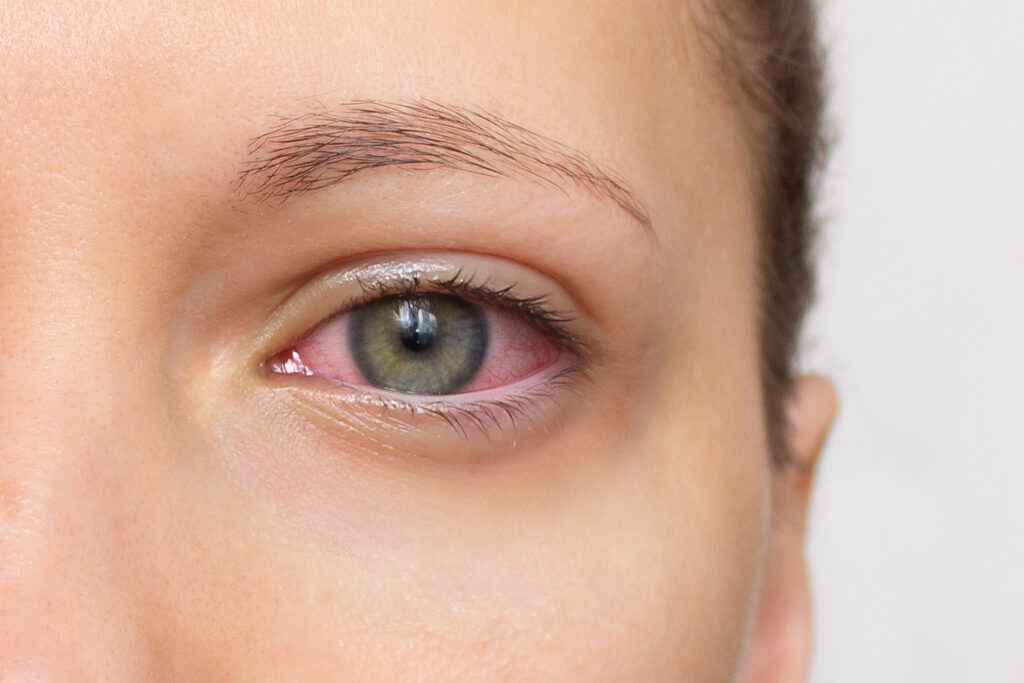
Common Symptoms of Eye Allergies
Symptoms of eye allergies may include:
Eye allergies often happen together with sneezing, nasal congestion, and runny nose, especially in people with seasonal allergies. (AAO)
Eye Allergies vs. Pink Eye
Many patients use the term “pink eye” for any red eye, but not every red eye is an infection. Allergic conjunctivitis is different from infectious conjunctivitis. With eye allergies, itching is a hallmark symptom, and discharge is usually watery or stringy rather than thick pus. If the eye is painful, vision is reduced, only one eye is significantly affected, or the redness is severe, an evaluation is important because another eye condition may be present. (AAO)
What Causes Eye Allergies?
The most common triggers include:
Some patients have seasonal allergic conjunctivitis, which tends to flare at certain times of year, while others have perennial allergic conjunctivitis, which can continue year-round due to indoor triggers such as dust mites, mold, or pets. (ACAAI Patient)
How Florida Vision Centers Evaluates Eye Allergies
At Florida Vision Centers, we begin with a careful eye examination to make sure your symptoms are truly due to allergies and not another condition such as dry eye, blepharitis, infection, or another cause of ocular surface inflammation. This matters because some patients who think they have eye allergies actually have another source of irritation, and some allergy treatments can worsen dryness in susceptible eyes. (ACAAI Patient)
Your evaluation may include:
Treatment for Eye Allergies
Treatment depends on symptom severity, frequency, and whether dry eye or eyelid disease is also present.
Why Choose Florida Vision Centers?
At Florida Vision Centers, your care is physician owned and physician led. We take a patient-first, medically grounded approach to eye symptoms so that treatment is based on the actual cause of irritation rather than guesswork. For patients across Estero, Bonita Springs, Naples, and Fort Myers, we provide comprehensive eye care with attention to both comfort and long-term ocular surface health.

Tips to Reduce Eye Allergy Symptoms
If you struggle with eye allergies in Estero, Bonita Springs, Naples, or Fort Myers, these strategies may help:
When to See an Eye Doctor for Eye Allergies
You should schedule an eye evaluation if:
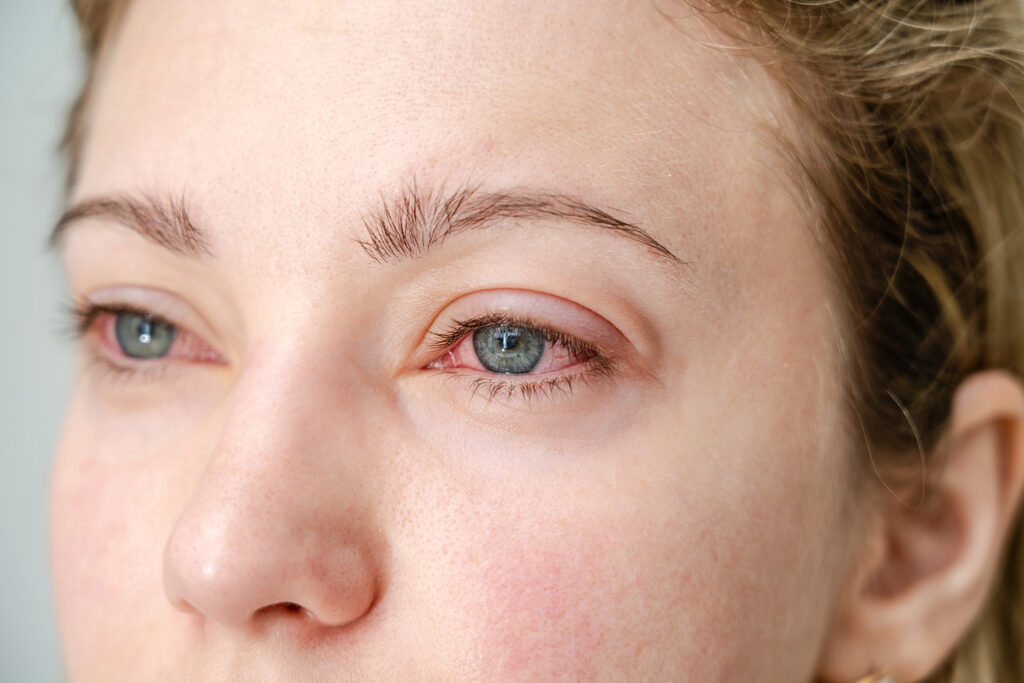
A red, irritated eye is not always “just allergies.” A physician-led eye exam can help determine the cause and guide treatment.
Schedule an Eye Allergy Evaluation
If you are dealing with itchy, red, watery, or irritated eyes, Florida Vision Centers is here to help. We provide evaluation and treatment for eye allergies in Estero, Bonita Springs, Naples, and Fort Myers, with personalized care from a physician-led ophthalmology practice.
Call Florida Vision Centers today to schedule your eye allergy evaluation.