





Diabetic Eye Disease
Diabetic eye disease can damage vision gradually and sometimes without early symptoms, which is why regular diabetic eye exams are so important. Early detection is critical and much of diabetes-related vision loss can be prevented with timely eye care.
What Is Diabetic Eye Disease?
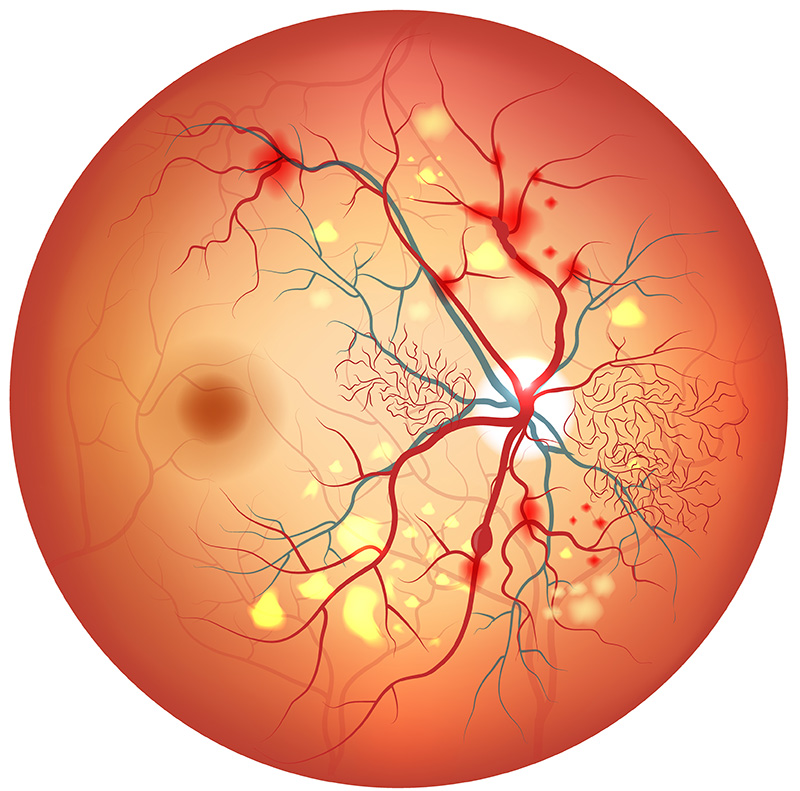
“Diabetic eye disease” is a broad term that includes several vision-threatening conditions caused by diabetes. The most important of these is diabetic retinopathy, which happens when high blood sugar damages the tiny blood vessels in the retina. Diabetes also increases the risk of other eye problems, including diabetic macular edema, cataracts, and glaucoma. (American Academy of Ophthalmology)
Why Early Detection Matters
One of the biggest dangers of diabetic eye disease is that it may begin before you notice blurred vision or other symptoms. By the time vision changes become obvious, damage may already be present. The AAO emphasizes that people with diabetes should have regular eye examinations, including dilated exams, because early treatment can help protect sight. (American Academy of Ophthalmology)
Who Should Have a Diabetic Eye Exam?
If you have type 1 diabetes, type 2 diabetes, or gestational diabetes, your eyes deserve ongoing attention. In general, annual dilated diabetic eye exams are a key part of care, though some patients need more frequent follow-up depending on exam findings, blood sugar control, pregnancy status, or previously diagnosed retinopathy. The AAO’s guidance highlights yearly screening as the standard baseline for many patients with diabetes. (American Academy of Ophthalmology)

Common Symptoms of Diabetic Eye Disease
Some patients have no symptoms at first. Others may notice:
- Blurry or fluctuating vision
- Dark spots or floaters
- Difficulty reading
- Distorted central vision
- Trouble seeing at night
- Sudden vision loss in more advanced cases
Even without symptoms, diabetic eye disease can still be present, which is why routine screening matters. (American Academy of Ophthalmology)
Conditions Related to Diabetic Eye Disease
How We Evaluate Diabetic Eye Disease
At Florida Vision Centers, your diabetic eye evaluation will include a dilated retinal examination, and imaging when needed to look for bleeding, swelling, or other retinal changes. A dilated eye exam remains the gold standard for screening for diabetic retinopathy. (American Academy of Ophthalmology)
Treatment for Diabetic Eye Disease
Treatment depends on how much disease is present and whether the macula is involved. Management may include close observation, coordination with your primary care physician or endocrinologist, improved blood sugar and blood pressure control, retinal laser treatment, medications injected into the eye such as anti-VEGF agents.
Schedule a Diabetic Eye Exam
Call Florida Vision Centers today to schedule your diabetic eye exam and help protect your sight.